The name "Bulakan" was derived from the Tagalog word "bulak" which is cotton in English. When the Spaniards first came to the country's shore, they found cotton, among others, growing abundantly in many places in Luzon, particularly in Bulakan.
Prior to the arrival of the Spaniards, Bulakan, as well as the rest of the towns of Bulacan province, was consisted of small scattered settlements of villages each then called "barangay", a word derived from the name of the boats used by the early seafaring Malays who went to various islands of what we now called Philippines. These predecessors of our ancestors settled in different parts of the archipelago, and their villages and barangays swere each headed by a petty chieftain who bore the title "Gat" as is Gat-Maytan, Gat-Salian, and "Gat-Dula", and "Lakan" as in Lakandula. These early settlers lived along the seashores and rivers, thus they were called "taga-ilog", meaning people who dwell near the rivers or other waterways. From this term "taga-ilog" came the word "Tagalog".
The early Tagalog were peaceful, honest, industrious and hardworking and were engaged in farming, fishing and handicrafts, especially weaving.
From the original thriving native settlements or villages called "barangays", the Augustinian founded most of the towns in the province of Bulacan, including the town of Bulakan which was founded in 1572 and one of the 385 towns founded by the Augustinians throughout the Philippines. Another account of the founding of Bulakan town points to Father Agustin de Alburquerque, O.S.A., as the first minister and founder of Bulakan.
By the year 1591, the town of Bulacan had 1,000 tributes or 4,800 persons; one Augustinian convent and one "alcalde mayor" who had jurisdiction over the towns of Malolos (became independent in 1673), Caluya-now Balagtas and formerly Bigaa (separated in 1596), Guiguinto (which became a separate town in 1841) and Meycauayan. The parish priest was under the jurisdiction of the diocese of Manila.
The town of Bulacan, being the first capital of the province, was the hub of economic activities and the inhabitants enjoyed excellent trade with Manila, primarily due to its proximity to the city and accessibility through its wide and navigable river.
Bulakan was also the scene of battle between the Spaniards led by Simon de Anda y Salazar and the British on January 18, 1763. The British sent an expedition of 400 Britishers, 300 Malabar Negroes and 2,000 Chinese allies. The Spaniards with the natives of Bulacan made a gallant stand but were defeated.
The town still enjoys trade and commerce with the neighboring towns and Manila with whom she shares a coastline, a place that is replete with historical and glorious past.

Bulacan lies on the southeastern part of Central Luzon. It is bounded by the province of Nueva Ecija on the north; by the provinces of Aurora and Quezon on the east; by the Manila Bay, Metro Manila and the province of Rizal on the south; and by the province of Pampanga on the west. Bulacan has a total land area of 262,500 hectares. The province has a generally flat terrain, but mountainous near its boundaries with Nueva Ecija, Aurora, Quezon and Rizal.
The population of Bulacan in the 2015 census was 3,292,071 people. making it the second most populous province in the country, only behind from Cavite, which is also located in Luzon. It had a density of 1,200 inhabitants per square kilometre or 3,100 inhabitants per square mile, the country's 4th highest for a province.
On 1 May 2010, the province had 2,924,433 inhabitants with an annual population growth rate of 2.73 from the year 2000 to 2010, There were 588,693 households in the province with an average size of 4.8 persons. Bulacan had a median age of 23 years in 2007.
Languages and ethnicityAs it is part of the Tagalog cultural sphere (Katagalugan), Tagalog is the predominant language of Bulacan. Some inhabitants also speak Kapampangan, especially in areas close to the border of Pampanga. Three municipalities (San Miguel, Remedios Trinidad, and Norzagaray) and one city (San Jose del Monte) are the homelands of the Alta Kabulowan, the first inhabitants of Bulacan whose language is also called Alta Kabulowan. Their language is currently endangered due to an influx of Tagalog speakers.
ReligionRoman Catholic is the predominant religion with 88% adherence[citation needed] in the province. Other Christian groups include the Aglipayans, Born-again Christians, Church of God (Ang Dating Daan), Baptists, Jehovah's Witnesses, Iglesia ni Cristo (INC), Methodists, Presbyterians, Mormons, Seventh-day Adventist and other small Charismatic Christian groups. Muslims, Anitists, and other small number of non-Christian groups are also present.
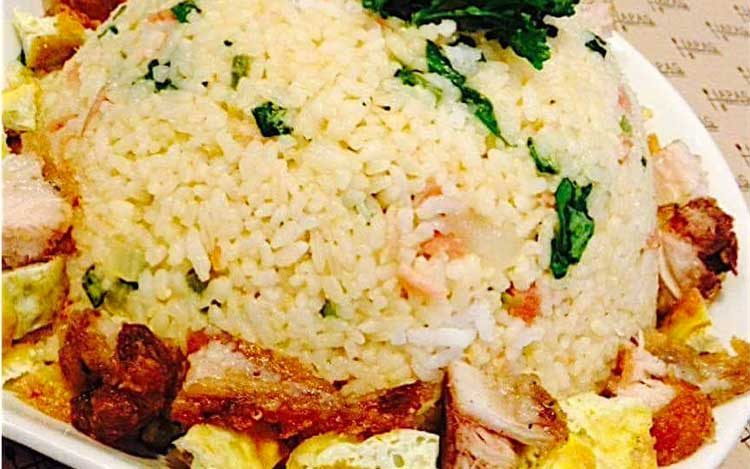
What started out as a small family business has grown into a full-scale catering and restaurant venture. Hapag Restaurant and Events Place offers traditional Filipino dishes in a welcoming ambiance perfect for families and friends to bond over good food. The business now has two branches — the first one in Malolos and a new one in Baliwag, Bulacan. Eat at your heart’s content for less than Php300.00 is great deal!
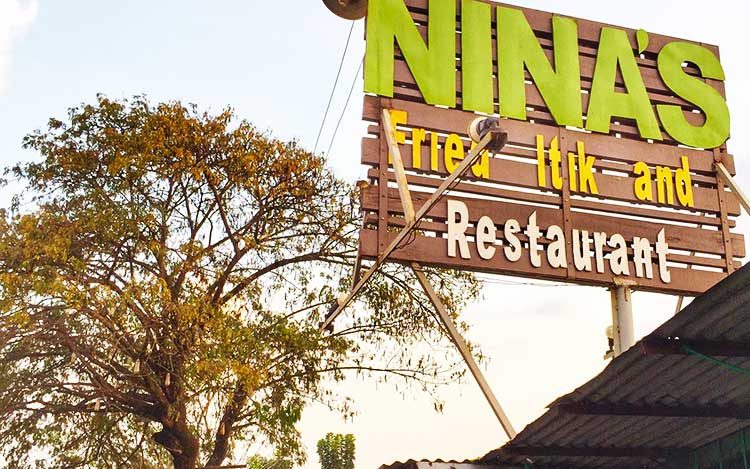
Adventurous foodies should try out Nina’s Fried Itik Restaurant. One of the most iconic Bulacan restaurants, this spot is best known for offering an array of dishes using Itik (dark-feathered ducks). The wallet-friendly resto also offers other iconic Filipino dishes in a true Filipino setting, sitting in floating nipa huts while you enjoy their yummy dishes.

If you’re looking for somewhere chill and healthy to dine in, Cafe Nenzo is the best spot for you. Aside from the great ambience, the cafe also offers mouth-watering vegetarian options. For those who aren’t sugar-conscious, Cafe Nenzo has a full-range of pastries, cakes and ice blended drinks to indulge in.

Newly opened Dreamy “Unicorn” Cafe is a like a little kid’s dream come true! The one of a kind cafe just opened last March 2017 and has everything unicorn! From rainbow-colored food to outrageously decorated drinks to unicorn onesies available to customers to unicorn stuffed toys — the cafe is like nothing you’ve seen in other Bulacan restaurants. While their food may not satisfy your hangry tummy, it should be enough to satisfy your sweet tooth and need for an Instagram-worthy snap.
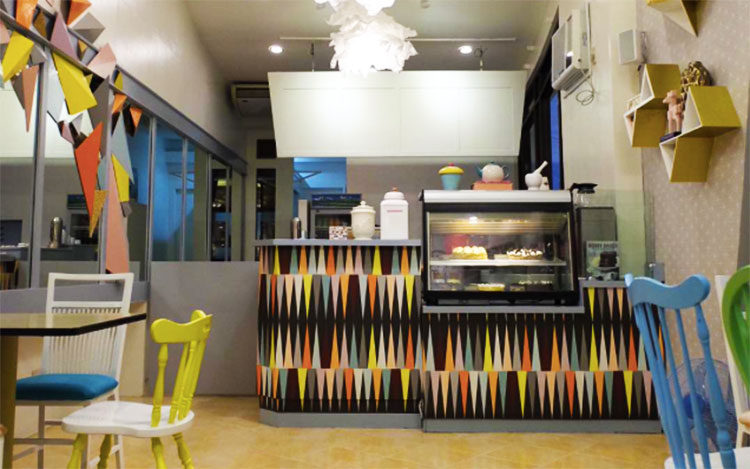
Who says Fridays nights should be spent in noisy, dim-lit bars? If you want to unwind and hang out with friends without the chaos, you can at Coficut Brews & Booze. The cafe bar is open until midnight and offers a range of beers in a cozy ambience with great food. You should also try their cakes and frapuccinos which locals have been raving about. The mood of the place also makes for a good dining spot with the family.
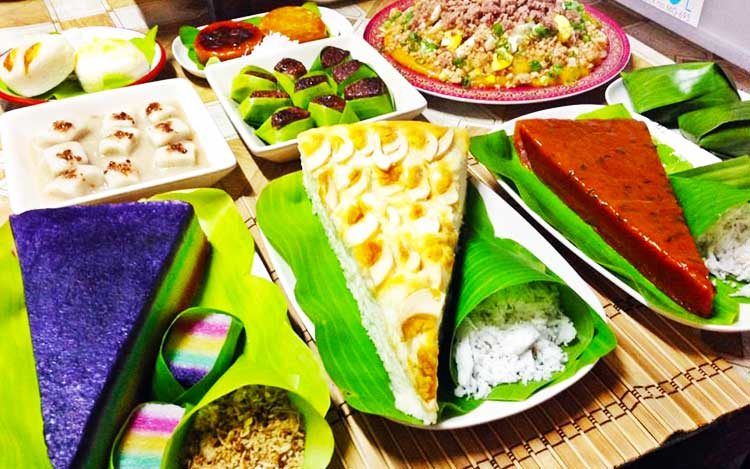
Established in 1970, Citang’s has been an iconic dining spot in Bulacan. It offers some of the best rice cakes and delicacies in the province and has been featured in different local TV channels — from CNN Philippines to ABS-CBN and GMA. Aside from its yummy meriendas, rice meals and pasalubongs, it’s their affordability that makes them a favorite among locals as well as tourists.
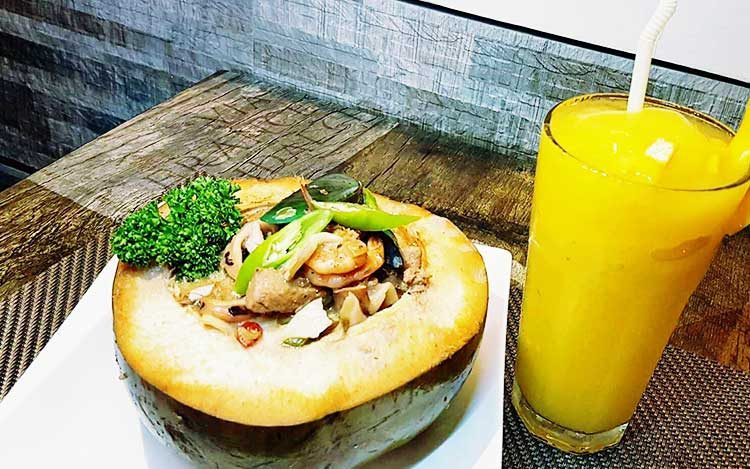
Pepper’s Grill is what Filipino dining is all about! A place where friends and family gather over good food and drinks; where the clanking of plates and utensils over loud chatters of guests are welcomed. From grilled food to seafood platters to pulutan, Pepper’s Grill has it all.
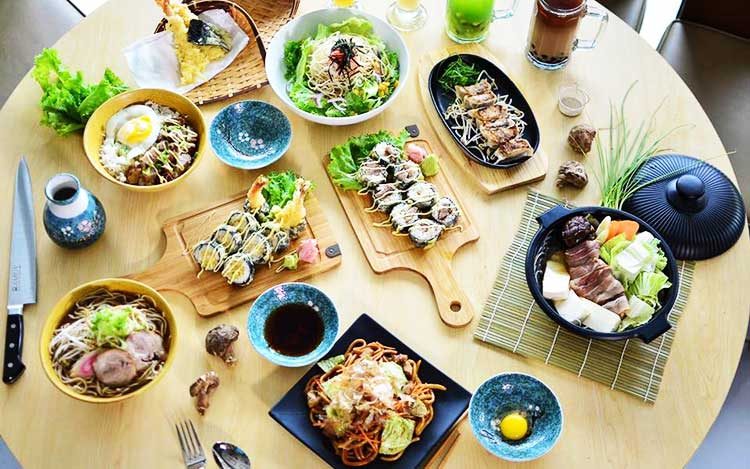
Bulacan is a haven on good food, but if you’re looking to satisfy your appetite with Japanese cuisine then Hiromitsu is the best option in the area. It offers a wide range of Japanese favorites at an affordable price.
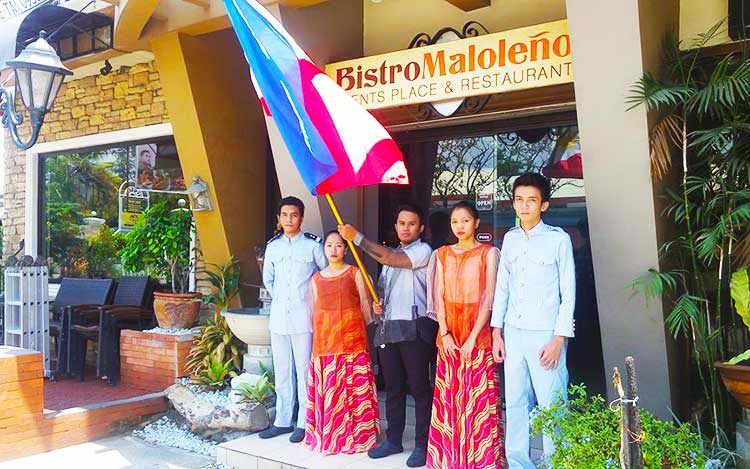
Dine like a local hero at Bistro Maloleno. The restaurant has been a local favorite not only for serving scrumptious meals, but also for advocating Bulacan’s historical heritage. Bistro Maloleno offers an ambiance straight from one of Jose Rizal’s novels, with waiters wearing baro’t saya and barong. They also offer a unique bill of fare called “Food of Our Heroes”. It offers some of the favorite recipes of Filipino heroes — from Emilio Aguinaldo to Mariano Ponce. A visit at Bistro Maloleno is defintely a one-of-a-kind dining experience.

Verdivia Falls is like a page off of Alex Garland’s “The Beach”. Named after its “verde” or green waters, the falls boast of fresh, clean waters flowing from the virgin streams. It’s also surrounded by trees which make swimming under the sun less scorching.
Mt. Gola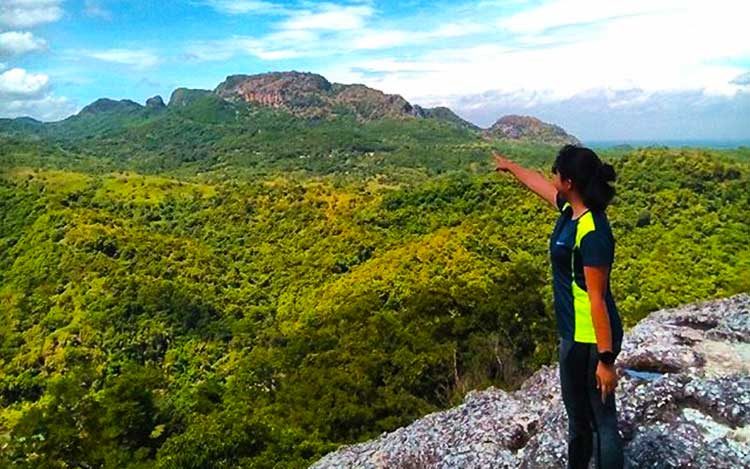
Part of the Sierra Madre mountain range is Mt Gola. It’s one of two mountain treks found in the Biak na Bato National Park, one of the more iconic Bulacan tourist spots. According to locals and tourist guides, Mt Gola served as a camp and vantage point for guerillas during the Japanese invasion. It’s now considered as a heritage site of the province.
Gawad Kalinga Enchanted Farm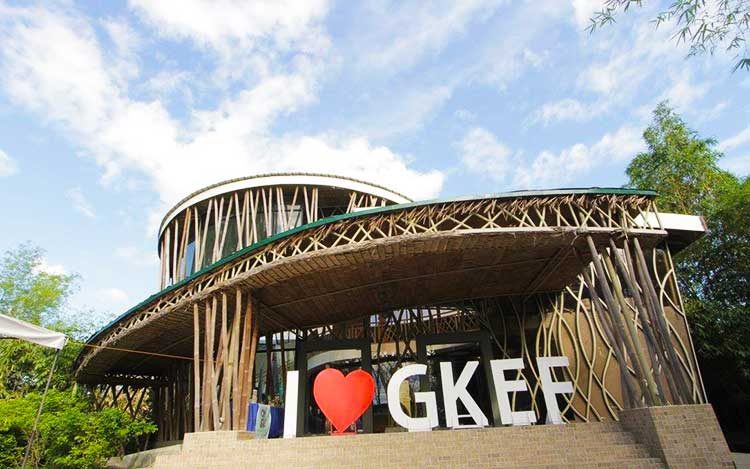
Who says travelling can’t be educational and charitable? At Gawad Kalinga Enchanted Farm, you can have fun while learning and helping your kababayans. The area offers first-hand experience at being a social entrepreneur while spending time with animals and the community.
Saint John of God Parish Church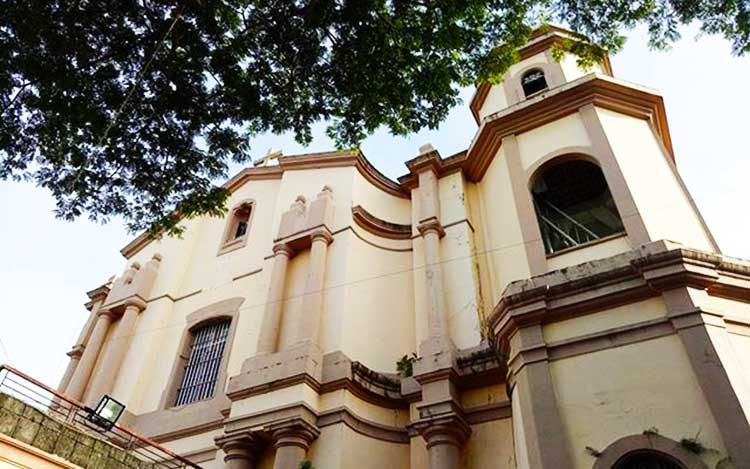
Also known as San Juan de Dios Parish, the church was established in the 19th century and is best known as the site of the Battle of San Rafael. The historic duel between the Filipino revolutionaries led by Gen. Anacleto “Matanglawin” Enriquez and the Spanish army led to the death of 800 Filipinos. It is believed that bloodshed in the church reached ankle-high. It is also believed to be the inspiration behind Dr Jose Rizal’s “Noli Me Tangere” characters Crispin, Basilio and Sisa.
Bistro Maloleño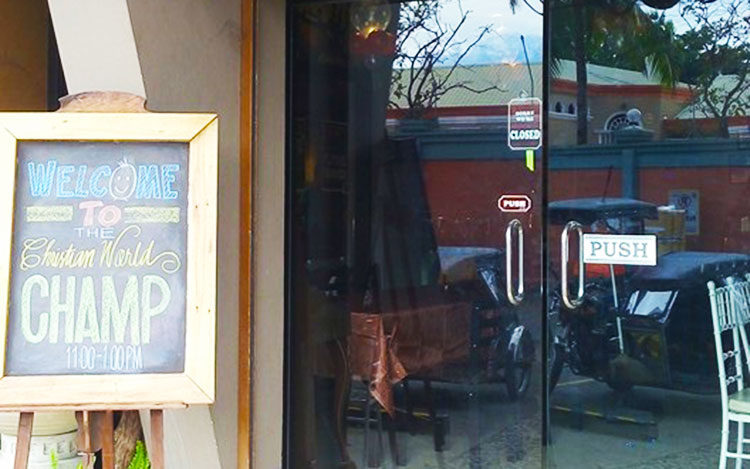
Food is one more reason to visit Bulacan. And what better way to dine than with the Philippines’ national heroes….well, sort of! At Bistro Maloleño, you can experience eating like a bayani as they offer some of Filipino heroes’ favorite dishes. Their “Food of Our Heroes” menu features recipes straight from these local warriors’ kitchen. Just imagine what Emilio Aguinaldo had for breakfast before proclaiming the country’s independence. Well, now, you can have a taste of it too.
Pinagrealan Cave
Pinagrealan Cave is the stuff of adventure seekers’ dreams! Aside from its historical background — being a hideout of Gen Emilio Aguinaldo — it also offers a complete trekking experience. Taking on this cave is no easy feat! Apart from the super dark cave pathway, trekkers would have to go through waist-deep waters to get through the cavern.
Baguio of Bulacan – Hilltop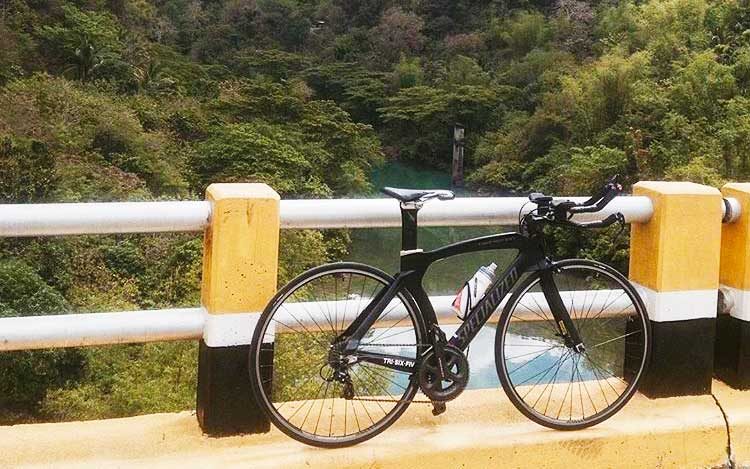
Not known to many, but Bulacan also has its own piece of Baguio tucked in the outskirts of Norzagaray. Also known to locals as “Hilltop”, Brgy San Lorenzo has been dubbed as “Baguio of Bulacan” for its cool breeze and fresh air. Aside from the chill weather, it also offers an expansive view of the Cordillera mountain range and the Angat Dam.
Marcelo H Del Pilar Museum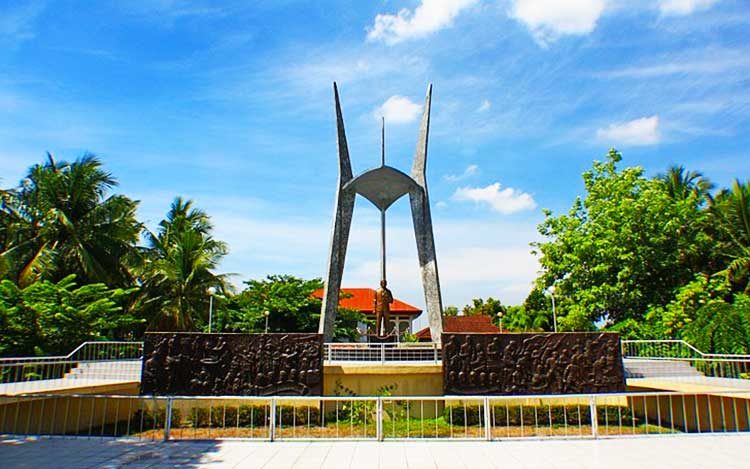
One of the leaders of the Propaganda Movement during the Spanish regime, Marcelo H Del Pilar is best known for his pen name Plaridel. He aimed to put an end to the abuses of the colonizers through his works for the La Solidaridad and organization of anti-friar movements. His efforts in ending the 300-year rule of Spain over the Philippines has made him one of the most well-known national heroes. In honor of his heroism, his ancestral home in Bulacan has been turned into a museum and shrine open to tourists.
Grotto of Our Lady of Lourdes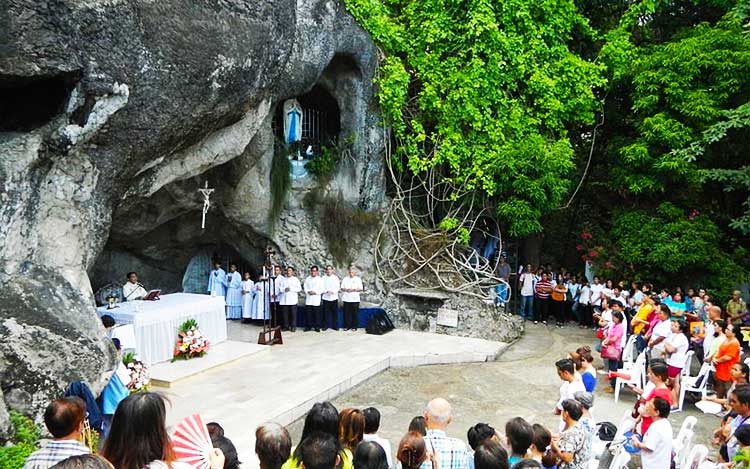
One of the must visit Bulacan tourist spots, especially for the religious. The grotto of Our Lady of Lourdes in San Jose del Monte is an exact replica of the one in France. Similar to the original one in Europe, the Marian statue is believed to be miraculous. Several locals and tourists attest to the healing powers of the grotto and its spring.